I. Traditional Thermal Management: Why Is It Increasingly Falling Short?
In the new energy and high-end manufacturing sectors, the bottleneck of overall production line efficiency often lies not in the primary processes, but in the precision and responsiveness of temperature control. Traditional manual or semi-automated cooling methods frequently lead to yield loss due to wide temperature fluctuations and delayed detection. Products such as lithium batteries, power modules, and high-density computing devices generate highly uneven heat distribution during operation. Fixed-parameter air or liquid cooling systems are unable to match real-time thermal load variations in a dynamic manner.
Moreover, manual inspection and offline testing have blind spots, making it difficult to capture transient anomalies. These issues result in higher equipment failure rates and even safety risks. For precisely this reason, intelligent thermal management equipment with closed-loop capabilities in sensing, decision-making, and execution is shifting from an "optional" component to a "must-have" solution.
II. The Core Value of Intelligent Thermal Management Equipment
A mature intelligent thermal management system is defined by the word "intelligent". It is no longer a simple heat-dissipation component, but an automated unit integrating sensors, controllers, and actuators. For example, during the production of thermal management integrated modules, intelligent equipment can perform helium leak testing, vision-guided screw tightening, and EOL (End-of-Line) performance testing online, with every set of temperature and flow data uploaded to the MES in real time. When production cycle time needs to be compressed, the intelligent thermal management equipment can automatically optimize the process rhythm based on historical data, avoiding thermal stress damage caused by overcooling or overheating. This shift from passive cooling to active regulation enables manufacturers to achieve "unmanned" and "lean" thermal control processes.
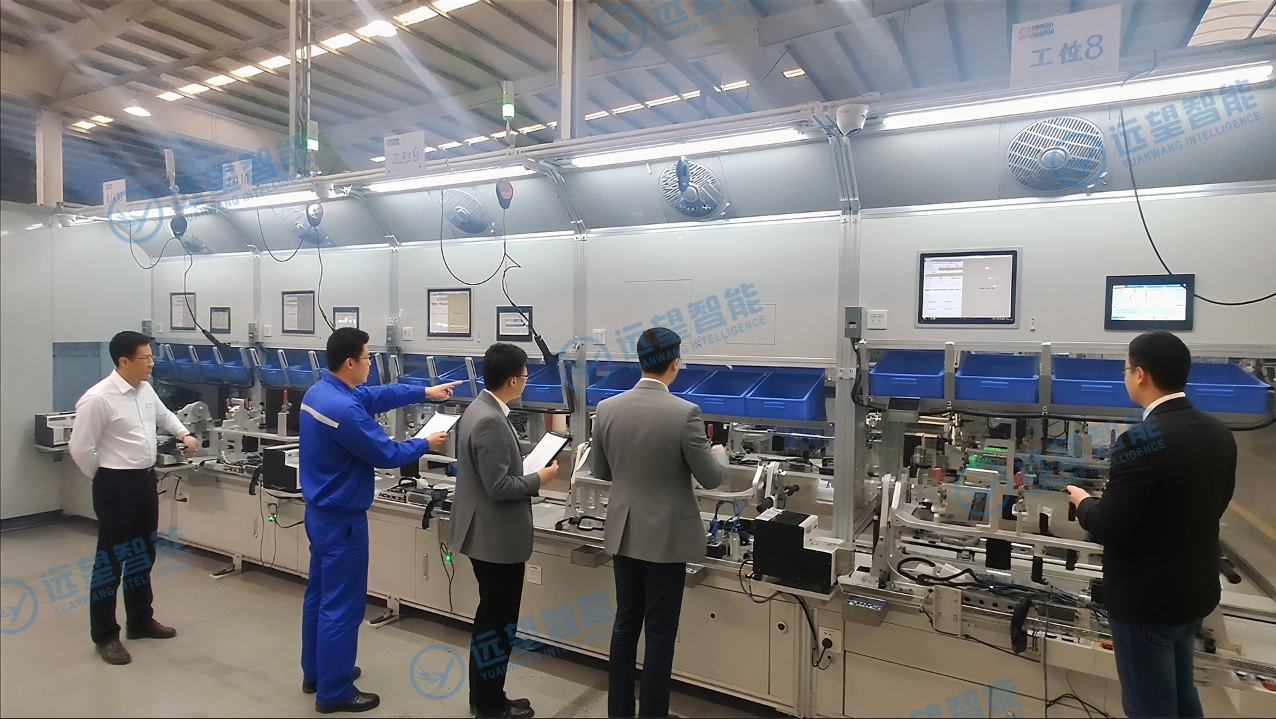
III. Yuanwang Intelligence: Empowering Lean Production Lines with Intelligent Thermal Management Equipment
Yuanwang Intelligence has long focused on the field of automated production lines. Its intelligent thermal management equipment solutions target industry pain points and cover multiple product categories, including water valve actuators, multi-way water valves, automotive water heaters, and thermal management integrated modules.
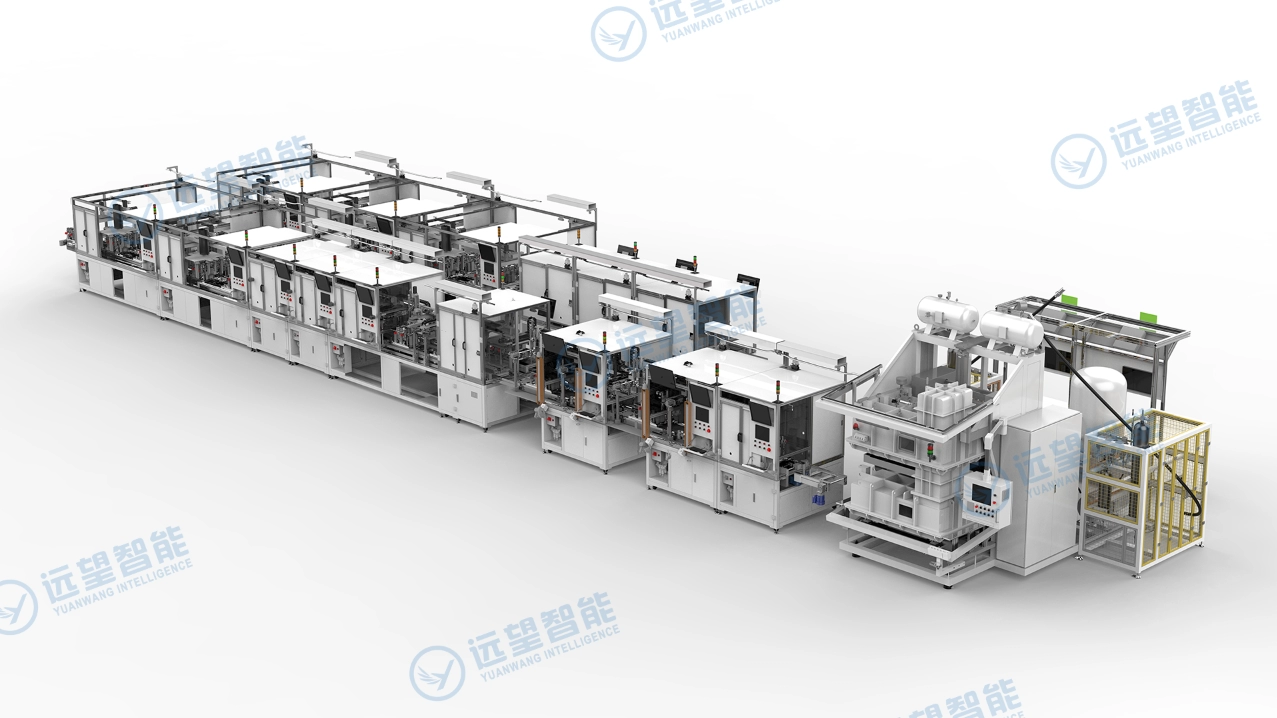
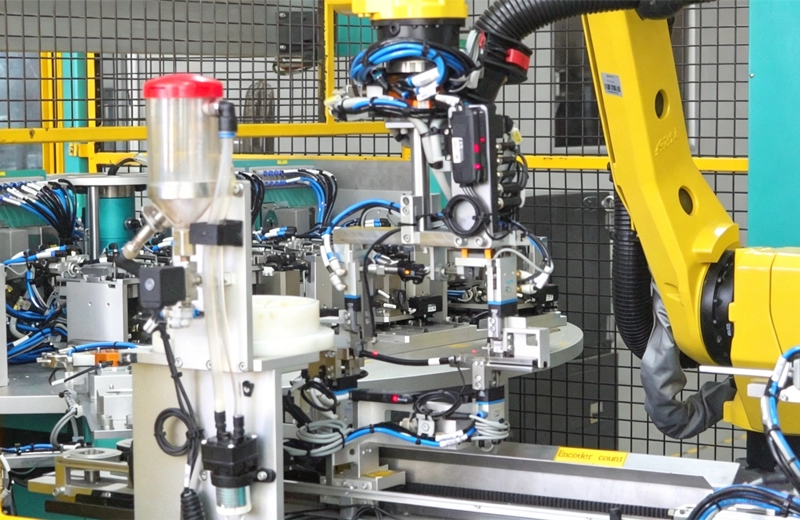
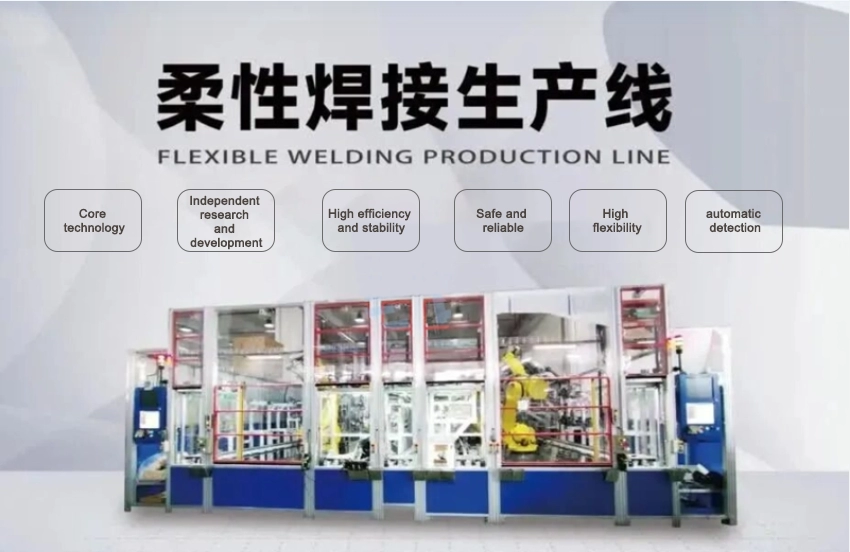
Take the intelligent production line for thermal management integrated modules as an example. This line uses a pallet conveyor system with a modular architecture, integrating helium leak testing, automatic screw fastening, and EOL testing. The cycle time can be controlled within 60 seconds. By deeply binding inspection standards with assembly actions, Yuanwang Intelligence's intelligent thermal management equipment effectively reduces rework rates caused by uneven temperature control, helping customers establish reliable thermal management capabilities in sectors such as new energy vehicles and energy storage.
IV. From Passive Cooling to Active Regulation: Seizing the Opportunity for Industrial Upgrades
From data feedback to adaptive adjustment, and from single-point temperature control to full-chain coordination, intelligent thermal management equipment is reshaping the ability of manufacturers to meet thermal challenges. Deploying an intelligent thermal control line with flexible changeover capability and digital traceability in advance is not only a pragmatic choice for improving quality and efficiency, but also a critical step in building a technological moat in fiercely competitive markets. When production line efficiency is no longer constrained by cooling issues, the high reliability of manufacturing finally has a solid technical foundation.