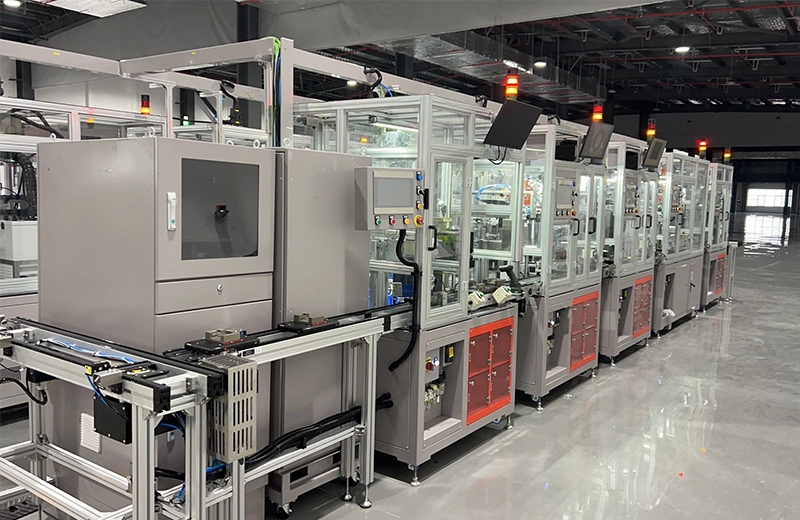
From high-precision components in aerospace and aviation to safety protection for EV battery packs, and to dust-free vacuum environments in semiconductor manufacturing, "zero leakage" has become a common quality lifeline for high-end industries. Behind this lifeline, helium leak detection technology, with its molecular-level sensitivity, is transforming from a "quality inspection tool" into the "bedrock of industrial safety." This article systematically reviews the market size, key application growth drivers, and technological evolution of the helium leak detection industry, providing forward-looking insights for industry practitioners.
I. Rapid Market Expansion: From a Niche Segment to a Multi-Billion Dollar Industry
The market growth of this technology has turned from "forecast" into "reality." According to research by QYResearch, the global market size for helium leak detectors reached approximately RMB 2.365 billion in 2025 and is expected to approach RMB 3.033 billion by 2032. Looking from a broader service perspective, the global helium leak testing service market was valued at about USD 925 million in 2025 and is projected to reach USD 1.365 billion by 2032.
The fastest-growing segment is the new energy sector. The global market for battery-specific helium leak detectors is expected to grow from USD 274 million in 2025 to USD 509 million by 2032, representing a compound annual growth rate (CAGR) of 9.4%. Battery seal testing has become the strongest growth engine in this market.
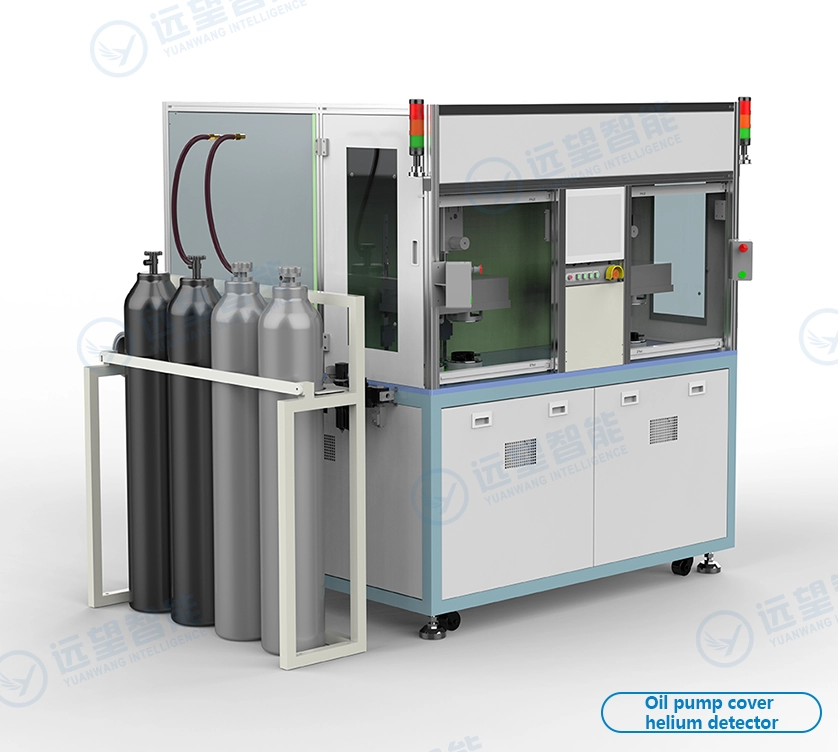
II. Three Core Drivers: Synergistic Growth from New Energy, Hydrogen, and Semiconductors
The rapid growth of this industry is not driven by a single factor, but by the simultaneous expansion of three core application scenarios.
Driver 1: New Energy Vehicles and Energy Storage. The long-term sealing performance of EV battery packs is directly linked to vehicle safety. New manufacturing processes such as integrated die-casting, CTP (Cell-to-Pack), and CTC (Cell-to-Chassis) demand higher precision and faster cycle times for seal testing. Helium leak detection has become the mainstream testing method for key components including battery enclosures, electric drive systems, and thermal management systems, driving near-double-digit growth for related equipment in the battery sector.
Driver 2: Hydrogen Energy Taking Off. High-pressure hydrogen storage vessels, fuel cell stacks, and hydrogen transmission pipelines require much higher levels of tightness than conventional industrial seals. The annual demand growth for helium leak detectors in the hydrogen energy sector is expected to reach 8% CAGR, making it the most promising incremental market after EV batteries.
Driver 3: Semiconductors and High-End Manufacturing. Chip manufacturing requires an ultra-clean vacuum environment, where even minimal helium leakage can scrap entire batches of wafers. Detection sensitivity requirements in this field have reached 10⁻¹² Pa·m³/s, pushing helium leak detection technology toward even higher precision.
III. Technology and Industry Transformation: Four Key Trends Reshaping the Landscape
Against the backdrop of rapidly expanding demand, the industry is undergoing deep structural changes. The following four trends deserve close attention.
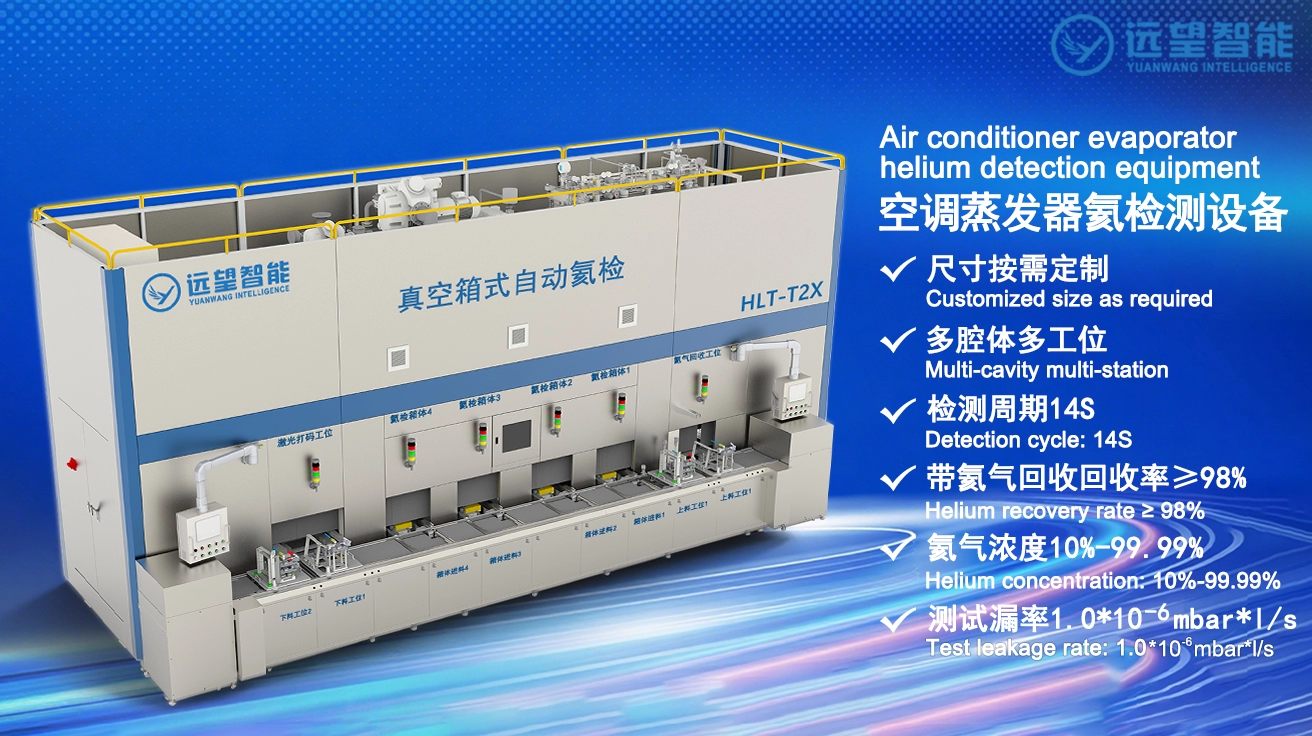
Trend 1: Rapid Adoption of Helium Recovery Systems. Global helium production dropped by 5% year-over-year in 2024, while prices rose by about 30% compared to 2023. Helium cost has become a significant burden for manufacturers. Against this backdrop, closed-loop detection solutions integrated with helium recovery systems are accelerating market penetration. Smart recovery systems achieving over 95% recovery rates can reduce per-unit helium consumable costs by more than 90%.
Trend 2: Deep Integration of Intelligence and Digitalization. Testing equipment is evolving from single-function instruments to intelligent platforms. Features such as remote data diagnostics, automatic test report generation, and real-time connection to MES (Manufacturing Execution Systems) are becoming standard configurations for next-generation helium leak detection equipment, helping manufacturers shift from "post-hoc inspection" to "in-process quality control."
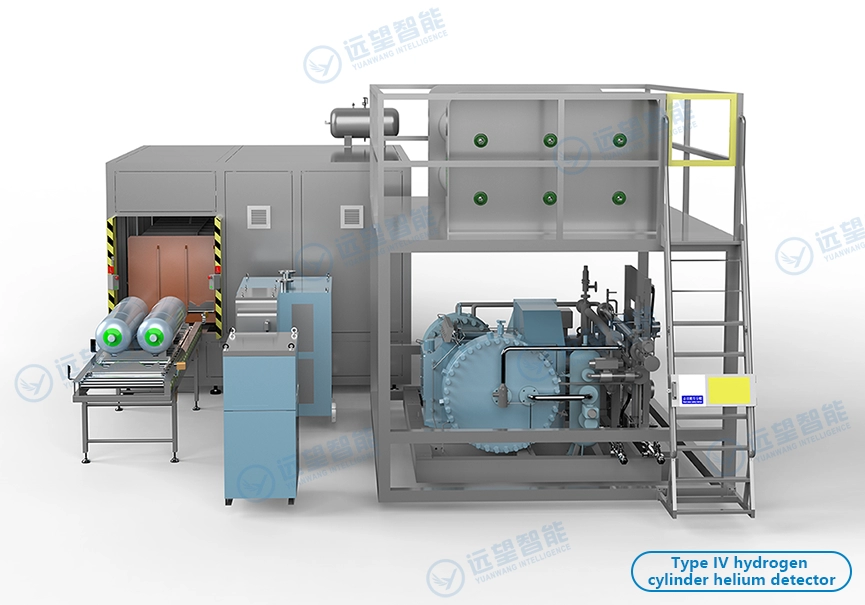
Trend 3: Customized Solutions Driven by Specific Applications. Different industries and workpieces have vastly different testing requirements. The conventional "one-size-fits-all" model can no longer meet diverse needs. Customized helium leak detection solutions are becoming a core differentiator in market competition.
Trend 4: New Variables from Policies and Trade Environments. Increasingly stringent global industrial equipment safety and environmental standards are forcing companies to adopt high-precision detection solutions to ensure compliance. Meanwhile, U.S. tariff policy adjustments in 2025 have had some impact on the cross-border supply chain for related equipment, prompting some companies to accelerate local production capacity.
IV. Industry Response Strategy: From Precision Competition to System Capability Competition
Facing these changes, equipment suppliers and end users should focus on the following directions: prioritize closed-loop solutions with helium recovery to hedge against rising helium prices; emphasize connectivity with MES and other digital management platforms to fully leverage test data value; and build technical reserves in high-growth fields such as hydrogen energy to seize emerging market opportunities.
The helium leak detection industry stands at a pivotal moment, transitioning from a "quality assurance tool" to "smart manufacturing infrastructure." Driven jointly by the three engines of new energy, hydrogen, and semiconductors, technological and industrial chain capabilities will be the core factors for success. Shenzhen Yuanwang Industrial Automation Equipment Co., Ltd. (Yuanwang Intelligence) has long specialized in automated helium leak detection and provides complete solutions from system design to production line integration for customers across various industries, accompanying enterprises as they move toward higher standards of manufacturing quality.