In the field of airtightness testing for precision manufacturing, helium is known as a "rather expensive tracer gas" – not only scarce but also costly. Industry data shows that a traditional production line can spend several hundred thousand yuan annually on helium. When production scales up, the cost pressure from helium consumption directly eats into product profit margins. How can companies effectively control helium consumable costs while maintaining detection accuracy? The answer lies in helium recovery systems. Shenzhen Yuanwang Industrial Automation Equipment Co., Ltd. (Yuanwang Intelligence) has深耕 this field for many years. This article will explore how a high‑recovery helium leak detection solution helps enterprises achieve a dual breakthrough in precision and economy.
1. The “High‑Cost Dilemma” of Open‑Circuit Helium Leak Detection
Traditional helium leak detection typically uses an open‑circuit method: helium is filled into the test part and then directly vented to the atmosphere after testing. Although this approach is relatively simple, the helium recovery rate is zero. In recent years, the global helium supply chain has remained tight – global helium production fell by 5% in 2024, while prices rose about 30% from 2023. For manufacturers that rely on high‑volume helium leak detection, relying solely on helium consumption to achieve detection accuracy is becoming increasingly uneconomical. To address this challenge, closed‑loop solutions integrating helium recovery systems have emerged. By adding recovery equipment in the test process, helium is efficiently recovered and recycled, fundamentally solving the problem of runaway costs.
2. Closed‑Loop Recovery: Upgrading from “Single‑Use” to “Circular Utilisation”
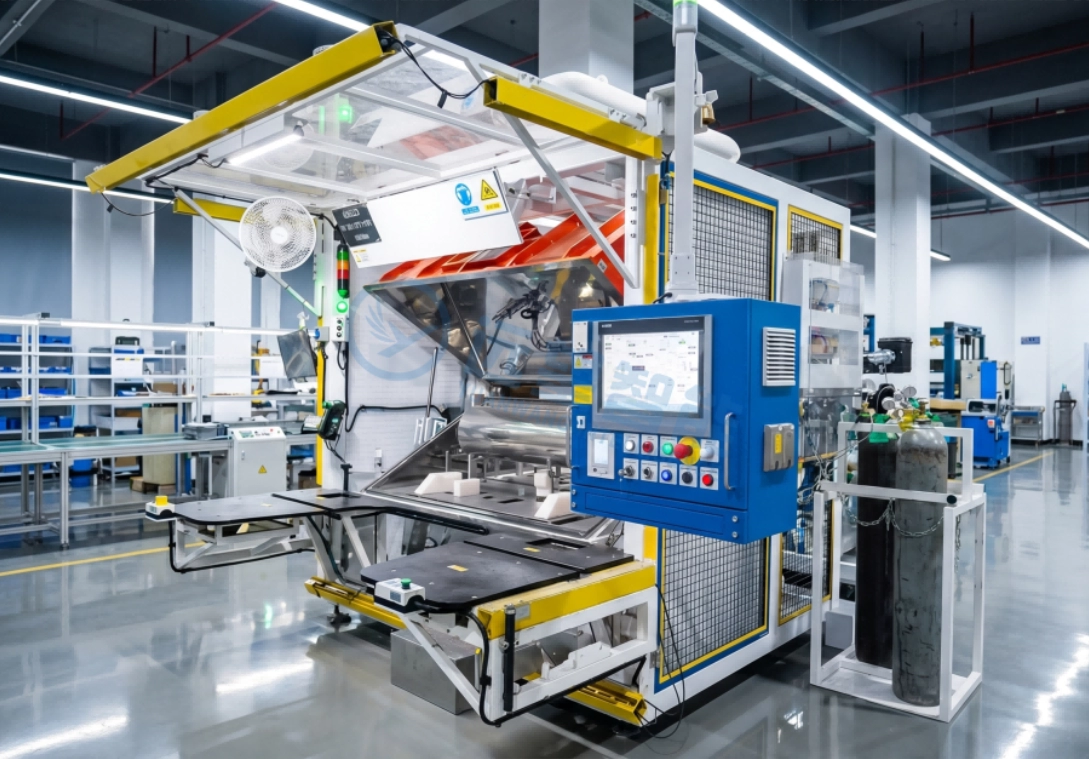
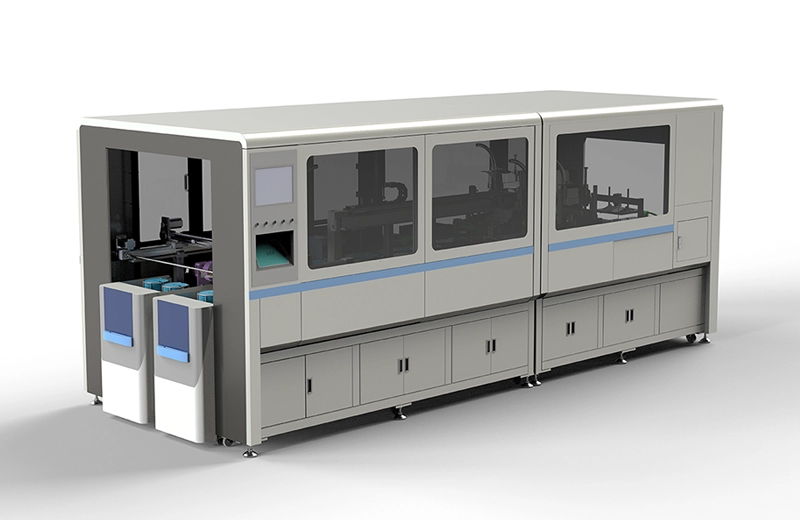
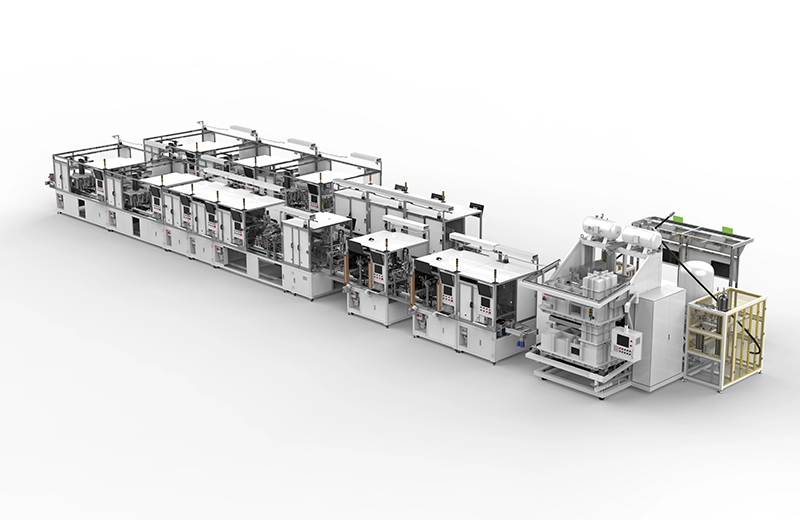
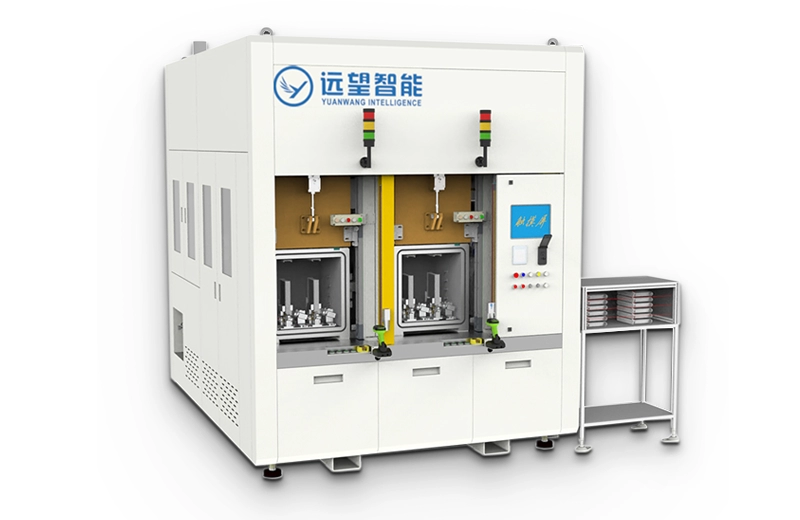
A closed‑loop helium leak detection system activates the helium recovery device immediately after testing, drawing residual helium from the workpiece back into a storage tank. After purification, the helium is reused in the next test cycle. The core advantages of this technology are reflected in two key metrics: first, helium recovery rates of 95%–98%, reducing helium consumable cost per part by over 90%; second, deep integration of the recovery system with the automated testing process, enabling fully automatic execution of “evacuation – helium filling – testing – recovery” via PLC control, while uploading test data in real time to the MES system for traceability. The vacuum chamber helium leak detection equipment that Yuanwang Intelligence provides for critical components such as new energy thermal management systems, hydrogen cylinders, and battery packs is a practical implementation of this concept: adjustable helium concentration from 10% to 99.99%, test cycle ≤50 seconds, and a ≥98% helium recovery rate that substantially reduces long‑term operating costs.
3. Economic Benefits and Application Value: Balancing Precision and Cost
From a life‑cycle cost perspective, the closed‑loop solution delivers three major benefits:
· Quality assurance: Replacing sampling inspection with full inspection reduces post‑warranty claims caused by leaks by up to 80%.
· Cost optimisation: The helium recovery system significantly lowers per‑part testing costs, saving up to millions of yuan annually.
· Throughput improvement: With 24/7 unattended operation and line cycle alignment, single‑shift capacity can increase by as much as 40%.
For high‑volume manufacturing scenarios such as new energy vehicles, power batteries, and energy storage systems, choosing a closed‑loop helium leak detection solution that combines high precision with high recovery is not only an intrinsic requirement for quality control, but also a strategic move to build cost competitiveness and respond to rapid market expansion. Yuanwang Intelligence continues to provide customers with cost‑effective helium leak detection systems, helping enterprises reduce costs and improve efficiency.