I. Process Challenges in Automotive Manufacturing
A typical passenger car body contains 5,000 to 6,000 structural joints, the quality of which directly determines the vehicle’s crash safety and durability. With the accelerating trend of lightweighting in new energy vehicles, new materials such as aluminum alloys and composites are being widely used, while traditional spot welding processes struggle to meet the demands. Welding, as the most widely applied joining technology, now faces the dual challenge of precision and consistency. The introduction of advanced welding processes has become the key to breaking through this bottleneck.
II. Differentiated Advantages of Two Mainstream Welding Processes
In the field of joining plastic and composite components for automotive parts, ultrasonic and hot plate technologies have become two indispensable approaches. Although both fall under the category of welding, their working principles and application scenarios differ significantly.
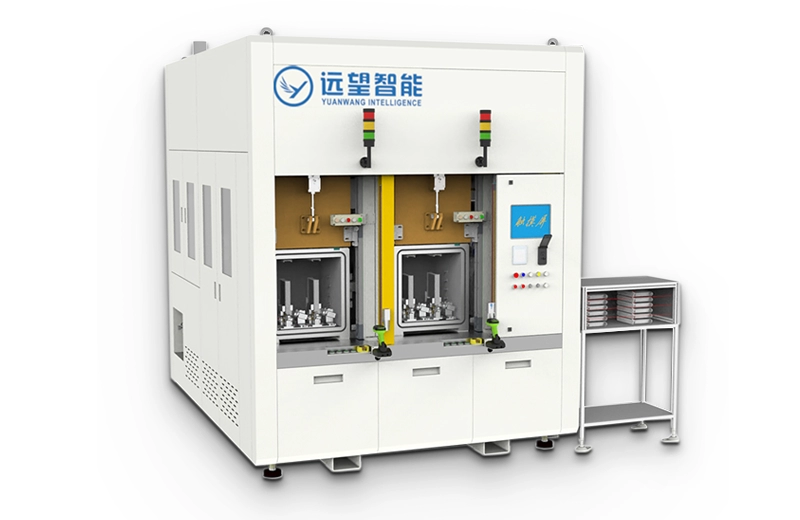
· Ultrasonic welding: High-frequency (typically 20‑40 kHz) mechanical vibration generates frictional heat at the workpiece interface, causing the material to melt instantly and solidify under pressure. This process creates an extremely small heat‑affected zone, causing virtually no workpiece deformation. A single welding cycle takes only 0.1 to 3 seconds, making it highly suitable for high‑speed automated production of precision parts such as sensor housings, lamp assemblies, and instrument panel brackets.
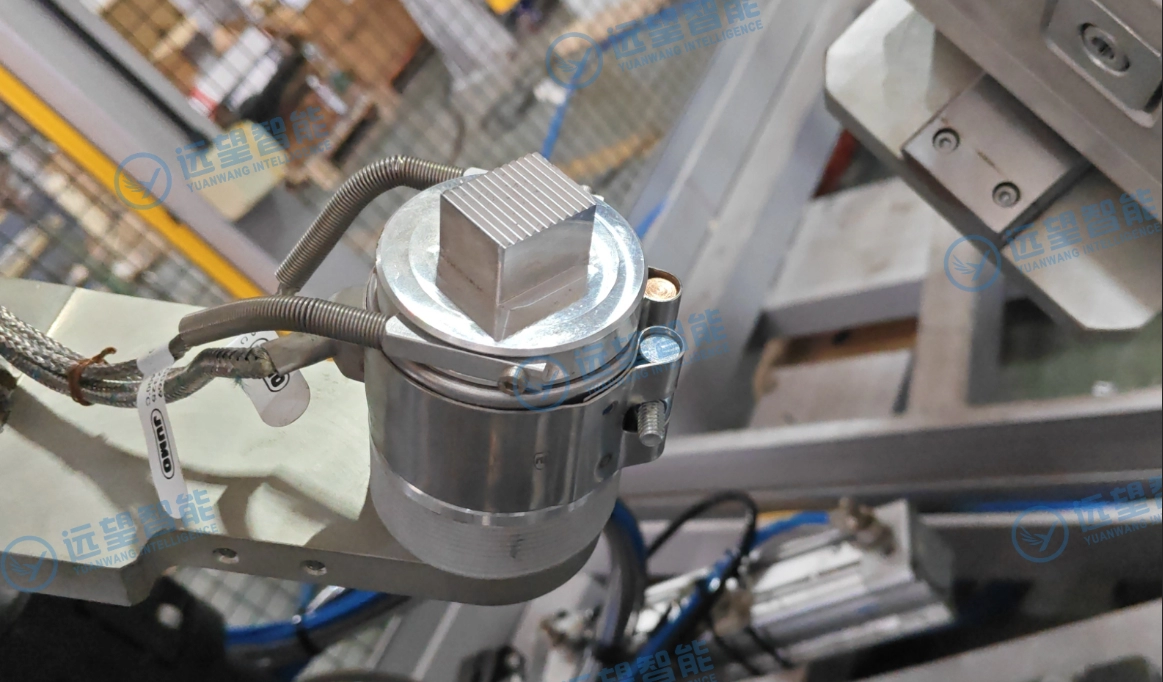
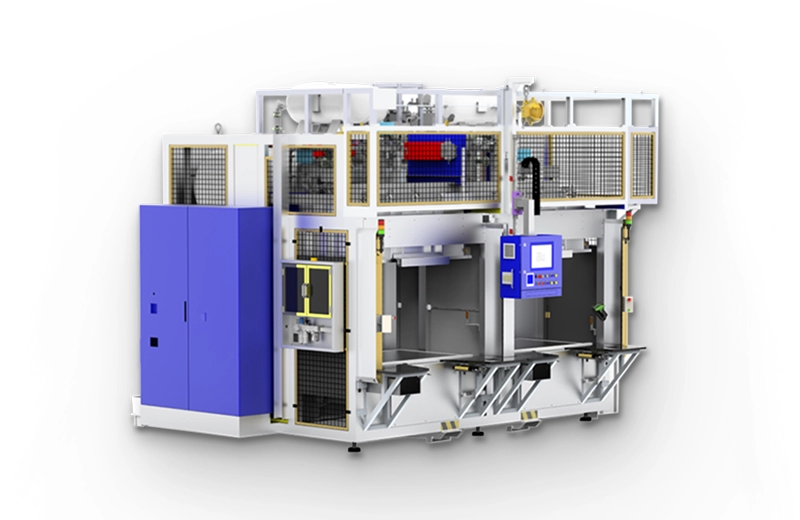
· Hot plate welding: A separately heated metal plate simultaneously heats the two surfaces to be joined. Once the material softens, the plate is quickly withdrawn and the two parts are pressed together. This method produces a large‑area, high‑strength sealed joint, making it especially suitable for large‑sized hollow components such as automotive fuel tanks, air ducts, and washer fluid reservoirs.
On actual production lines, the two processes must be selected flexibly based on workpiece material, geometry, sealing requirements, and cycle time targets. For example, ultrasonic welding excels in precision assemblies containing electronic components, while hot plate welding is the primary solution for leak‑proof joining of fuel tanks.
III. Automated Production Practice: The Fuel Tank Case
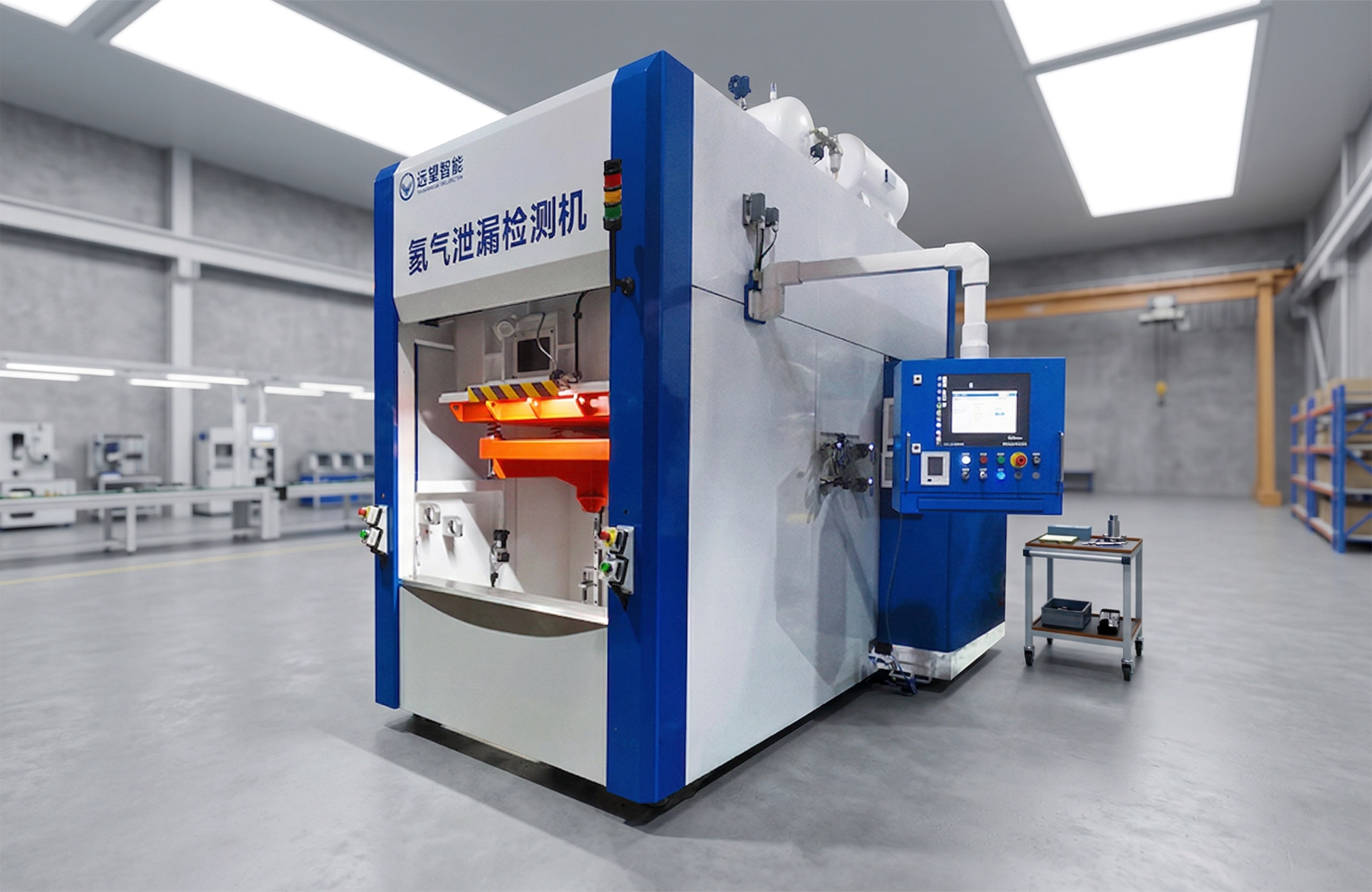
Fuel tank manufacturing is a typical scenario where welding technology is highly integrated. A fuel tank is in prolonged contact with fuel and subject to pressure fluctuations, placing extremely strict demands on joint airtightness and structural strength. Traditional manual hot plate or vibration‑based processes often fail to ensure batch‑to‑batch consistency and tend to produce micro‑cracks in the weld seam. To address this challenge, a precision CNC hot plate welding process is employed, combined with a pneumatic servo actuator and a dual‑loop temperature closed‑loop control system. This enables precise control of temperature, pressure, and time for each weld, achieving high‑airtightness, high‑strength joint quality.
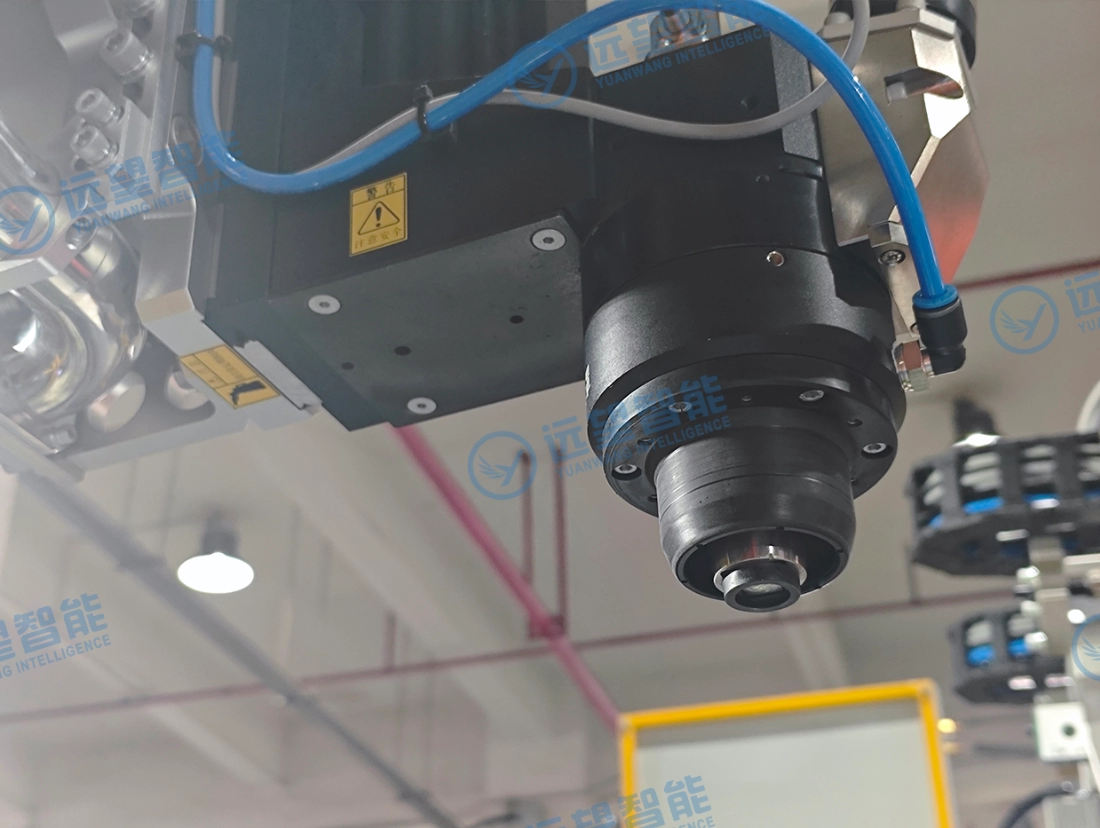
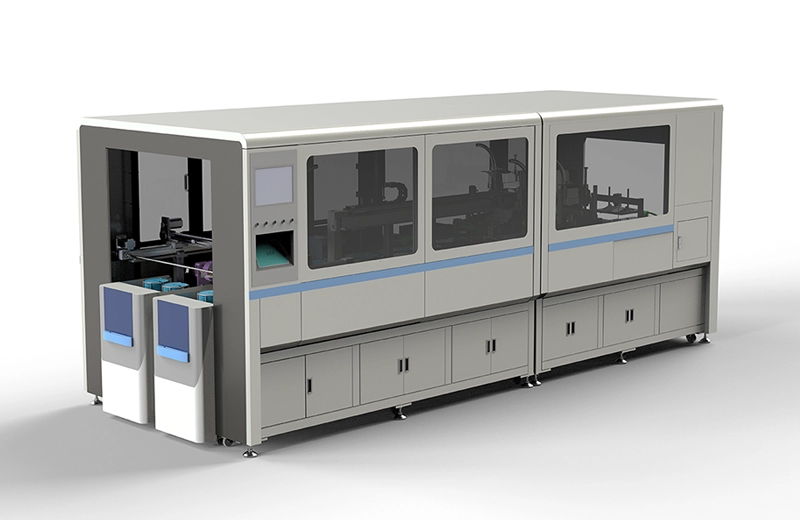
On this basis, integrating robotic auto‑loading/unloading, in‑line vision inspection, and MES data traceability enables the construction of a fully automated welding line that runs unmanned from part loading, positioning, heating, pressing, and cooling to final unloading. Shenzhen Yuanwang Intelligent Industrial Automation Equipment Co., Ltd. (Yuanwang Intelligence) has accumulated extensive engineering experience in this field. Its automated fuel tank welding line features a high‑strength sealed welding head and an intelligent liner inspection function, achieving a stable cycle time of under 72 seconds per part with an extremely low leak rate. This line has been successfully deployed in mass‑production workshops of several well‑known automotive parts suppliers, effectively meeting the industry’s demand for high‑volume, high‑quality, and traceable welding production.
IV. Technology Trends and Future Outlook
As automotive lightweighting and new energy technologies continue to spread, new components such as battery module connecting tabs, liquid cooling plate flow channels, and hydrogen storage vessels impose higher demands on joint precision. Ultrasonic welding enables reliable joining of dissimilar metals, while infrared rotary welding demonstrates unique advantages in circumferential sealing of cylindrical workpieces. The ongoing evolution of intelligent welding technology is opening new possibilities for quality improvement and flexible production in automotive manufacturing.