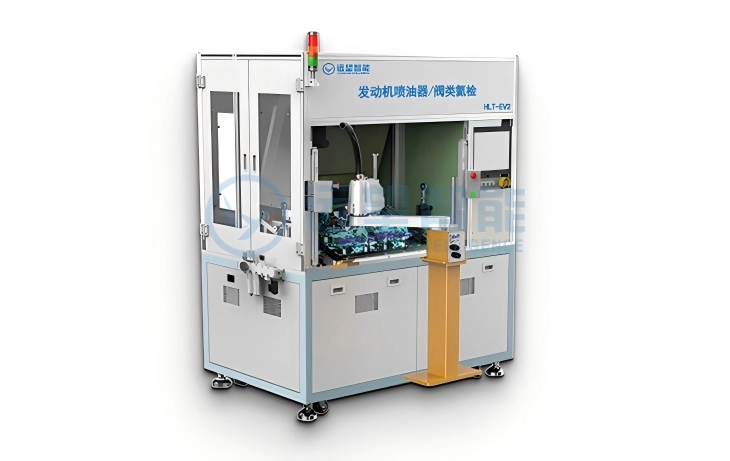
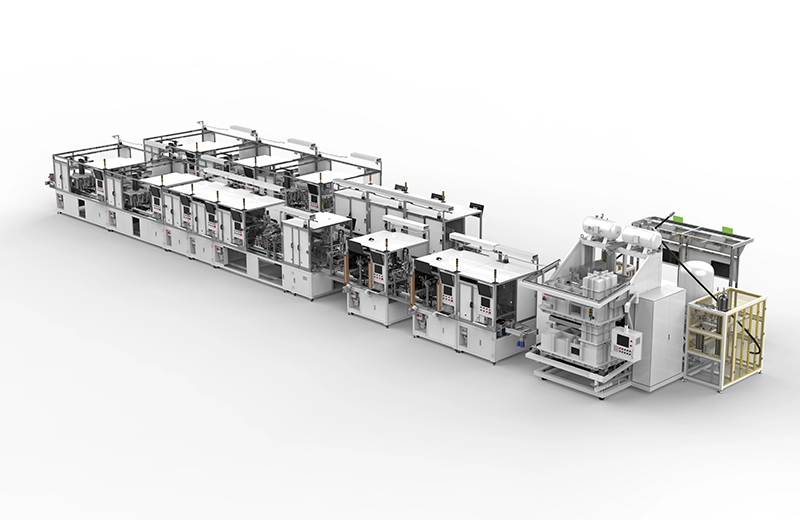
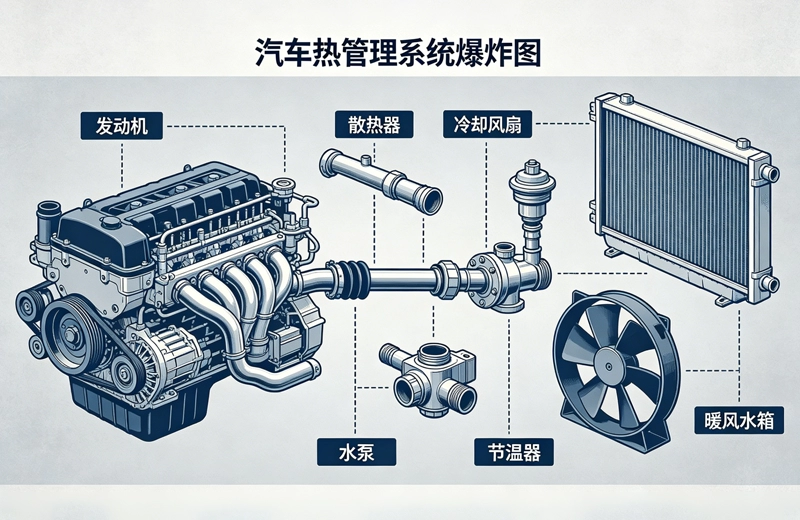
In new energy vehicles, refrigeration, aerospace, and power equipment manufacturing, leakage is the top enemy in quality control. Helium leak detection is widely regarded as the gold standard for tightness testing—but whether helium leak detection equipment can maintain stable performance on the line directly determines yield and efficiency.
For production engineers and quality managers, the real pain points are not the technology itself, but three persistent issues: sensitivity drift, cycle time bottlenecks, and long-term stability. Shenzhen Yuanwang Industrial Automation Equipment Co., Ltd. (“Yuanwang Intelligence”) offers technical solutions from an engineering perspective.
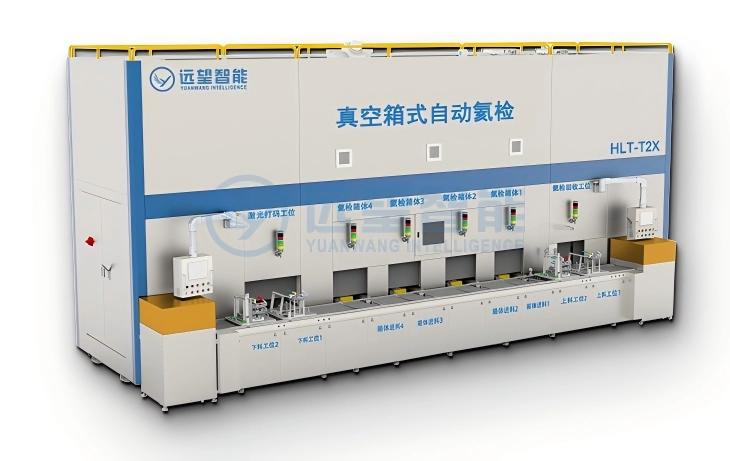
Pain Point 1: Sensitivity Drift – Missed Leaks and False Alarms
What engineers fear most is not finding a leak, but missing one or getting a false alarm.
For Helium leak detection, sensitivity is the lifeline of quality. Traditional systems often suffer from rising background noise due to mass spectrometer contamination, filament aging, or vacuum fluctuations, which can mask small leaks. Yuanwang Intelligence optimizes the mass spectrometer chamber structure and applies a dynamic background compensation algorithm to maintain stable sensitivity throughout the equipment’s lifecycle—reducing the risk of missed detections.
Pain Point 2: System Cycle Time – When the Bottleneck Is Not the Detector
On automated lines, cycle time is everything. Today’s leak detectors themselves are fast enough—the real bottleneck is often the surrounding system: vacuum chamber door movements, pumping time, and helium filling sequences. Any inefficient step extends the overall cycle time.
Yuanwang Intelligence approaches this through system-level optimization—improving chamber structure, valve timing, and evacuation workflows to minimize non-detection time. Engineers precisely size vacuum pumps and chambers based on part volume, leak rate, and cycle time targets, ensuring smooth and efficient operation without compromising detection accuracy.
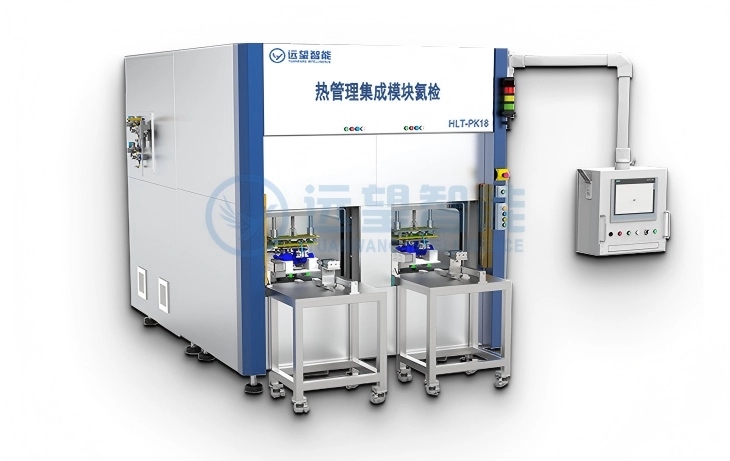
Pain Point 3: Stability – Downtime and Maintenance Headaches
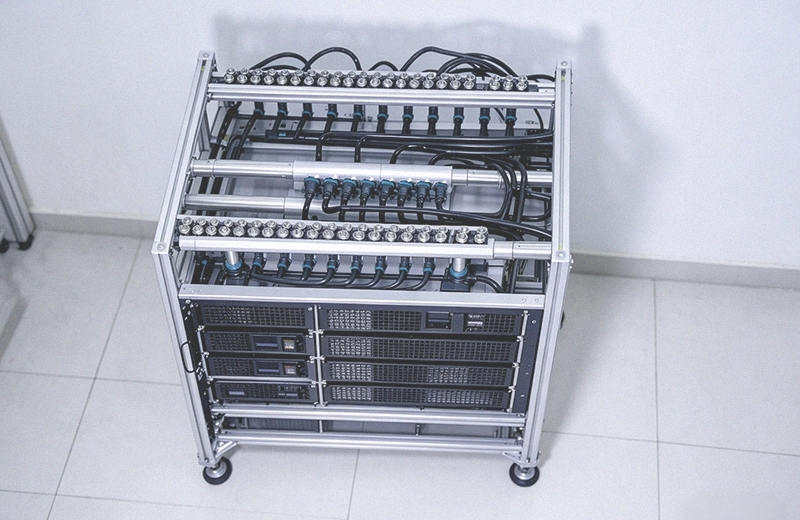
The four words engineers dread most: “equipment downtime.” Helium leak detection systems involve multiple complex subsystems—vacuum, mass spectrometry, gas flow control—where any single failure can cause cascading issues.
Yuanwang Intelligence builds reliability into the design: redundant critical components, contamination-resistant surfaces, and rigorous treatment of chambers, valves, and piping. A remote diagnostics and self-maintenance system monitors background noise, vacuum level, and filament life in real time, enabling predictive maintenance and reducing unplanned downtime. Verified on production lines of leading new energy and refrigeration companies, Yuanwang Intelligence’s Helium leak detection systems deliver significantly longer continuous operation compared to industry averages.
Helium Leak Detection from an Engineering Perspective
Shenzhen Yuanwang Industrial Automation Equipment Co., Ltd. (“Yuanwang Intelligence”) has specialized in automated testing and assembly for over a decade. In the team’s view, Helium leak detection is never just a technical parameter—it is embedded in line cycle time, yield, and overall cost. From core leak detectors to fully automated in-line Helium leak detection workstations, every solution is built on a genuine understanding of real-world production environments.